Natural Approach to Seasonal Allergies During Spring from a Naturopathic Doctor
Maybe you’re like me and have a love hate relationship with spring, you love that it’s getting warmer out, but dread the seasonal allergies! Struggling through every spring with runny nose, sneezing, itchy eyes isn’t fun. In this article we’re going to discuss the process behind seasonal allergies and how to treat seasonal allergies. You will learn about some natural remedies to seasonal allergies as well.
Disclaimer: the information provided in this blog post is for educational purposes only and is not intended to diagnose or treat. Make sure you contact your doctor if you think you have a medical problem.
This post may contain affiliate links, meaning I get a commission if you decide to make a purchase through my links.
As spring comes on, pollen levels naturally increase as mother nature starts to defrost. Pollen enters the body through your nose, eyes, airways and the immune system in those who have seasonal allergies will react to the pollen. This launches an inflammatory response that includes IgE antibodies, mast cells, and histamine.
Your body starts to react after an initial exposure to this substance. With repeated exposures, your body recognizes this substance as a threat and your white blood cells, mast cells and basophils, start to react, releasing inflammatory mediators including histamine.
Histamine is a big contributor towards seasonal allergy symptoms. Histamine causes symptoms like sneezing, itching, swelling, and mucus production. This is why anti-histamines, like Zyrtec, are often at the center of helping seasonal allergies.
Inflammation is a big contributor towards seasonal allergies, along with histamine. Pollen activates part of the immune system that increases oxidative stress. This will amplify that allergic response you may be feeling. This is why when we talk about natural remedies to seasonal allergies, we want to include remedies that reduce inflammation.
Stinging Nettle for Seasonal Allergies
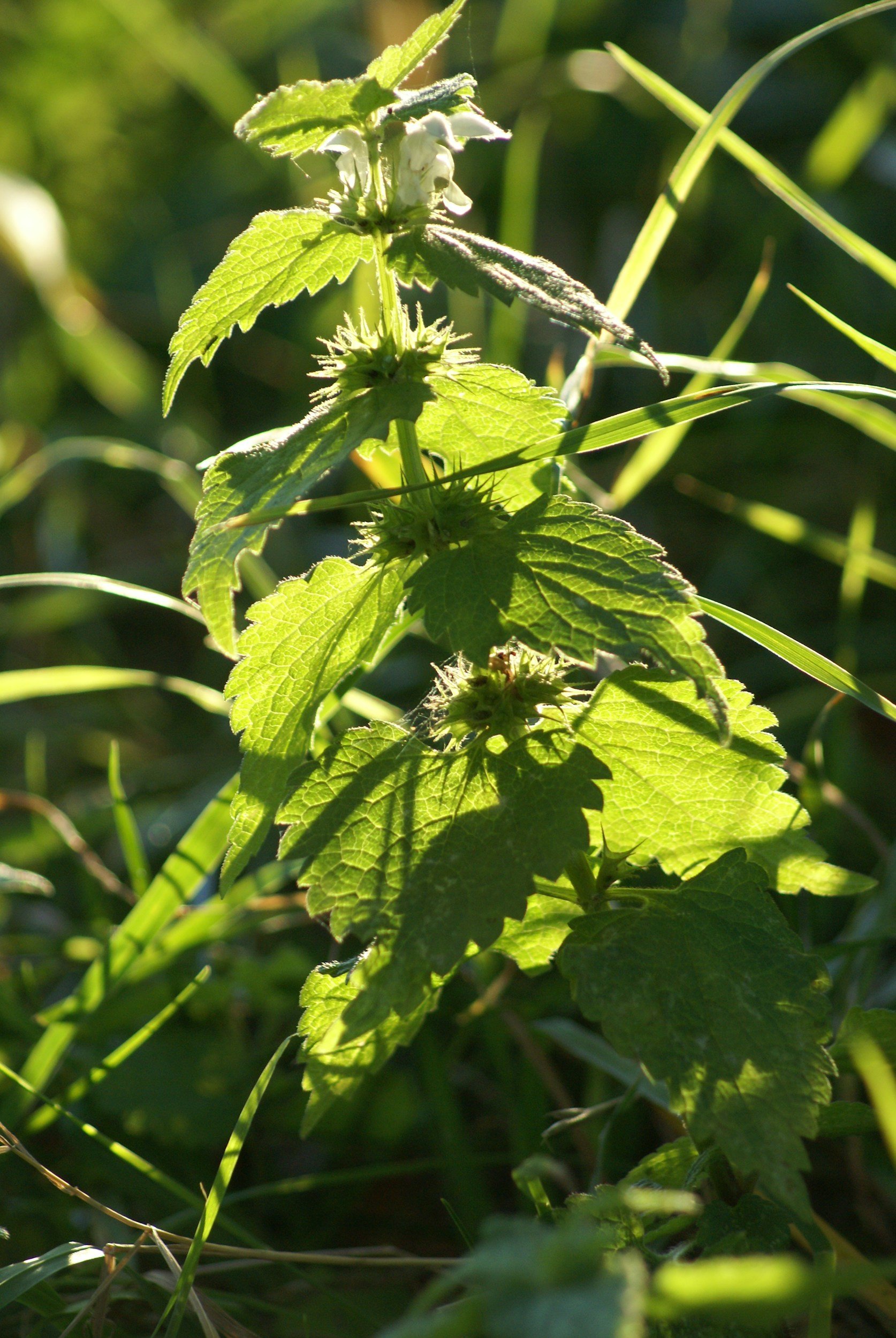
One of my favorite herbs to help with allergy symptoms is Stinging Nettle. This herb is very nutritious, containing many vitamins and minerals (calcium, iron, vitamin A, C, B2, and B5).
Stinging Nettle is a natural antihistamine, helping to naturally reduce seasonal allergy symptoms that are brought when your body comes into contact with pollen.
Stinging Nettle helps to support detoxification, and stagnant detoxification can keep toxins around, increasing inflammation in the body. Higher inflammation and oxidative stress will amplify that allergic response to pollen.
Stinging Nettle contains something called quercetin, which is a strong antioxidant and helps reduce allergic reactions like those in seasonal allergies.
How to consume Stinging Nettle: 2tsp per cup of water for an infusion 3 times per day
Quercetin for Seasonal Allergies
Quercetin is derived from many different foods and herbs, including stinging nettle. Quercetin is helpful in supporting the immune system in allergic-type responses by lowering the release of histamine, decreasing inflammation, and lowering the activation of the white blood cells like mast cells.
Quercetin works really well with vitamin C which is why you want to pair these two together.
Other Natural Remedies for Seasonal Allergies
There are many other remedies that can help with seasonal allergies including working on detoxification, the lymphatic system, and overall lifestyle support.
Support Detoxification:
Keep up with hydration, getting at least half your body weight in ounces of water each day. This is multi-level support when it comes to allergies. Staying hydrated helps to flush out toxins through the detox process and helps to keep the lymphatic system moving.
Increase fiber rich foods. Fiber helps to support your gut microbiome which is an important part when it comes to detoxification and helps to attach to toxins to remove them through your digestive tract.
Address imbalances in the gut if you’re experiencing digestive symptoms like constipation, diarrhea, bloating, heartburn, and more.
Move your body daily. This helps to get you sweating to remove toxins and helps move your lymphatic fluid.
Incorporate castor oil packs to help aid in detoxification. Castor oil packs help increase glutathione, one of the liver’s main nutrients for detoxification.
Lifestyle Recommendations:
If you’re noticing you’re congested, add in a Neti Pot a few times per week to help flush out mucus and allergens that are in the nasal cavities.
Eat colorful whole foods to help give your body a boost in antioxidants and reduce inflammation.
Keep an air filter inside your house that filters out allergens and reduces your symptoms when you’re inside.
Spending a ton of time outside? Especially after pollen counts are high, it can be helpful to shower after spending time outside.
Seasonal allergies are driven by more than just pollen exposure, it encompasses many different pathways that leads to you feeling congested, tired, and sneezing. There are many different natural remedies to seasonal allergies that can help to reduce the histamine response and stabilize mast cells.
Creating a wellness routine around allergy support in the early spring can help you reduce these bothersome symptoms including boosting hydration, supporting detox, and eating nutrient-dense foods.
If you’re looking for more support around reducing allergies, you can reach out to book a free discovery call and see if working together would be a good option for you.

Talk soon!
xx Dr. Alyssa
More from Dr. Alyssa on Instagram:








Sources:
Bakhshaee M, Mohammad Pour AH, Esmaeili M, et al. Efficacy of Supportive Therapy of Allergic Rhinitis by Stinging Nettle (Urtica dioica) root extract: a Randomized, Double-Blind, Placebo- Controlled, Clinical Trial. Iran J Pharm Res. 2017;16(Suppl):112-118.
Mlcek J, Jurikova T, Skrovankova S, Sochor J. Quercetin and Its Anti-Allergic Immune Response. Molecules. 2016;21(5):623. Published 2016 May 12. doi:10.3390/molecules21050623
Roschek B Jr, Fink RC, McMichael M, Alberte RS. Nettle extract (Urtica dioica) affects key receptors and enzymes associated with allergic rhinitis. Phytother Res. 2009;23(7):920-926. doi:10.1002/ptr.2763